I’m on a bit of a roll (or obsession) at the moment with all things gut health (if you need a bit of a refresh on why you should also be on board see this blog post here).
What about you?
It’s partly because my 3 year was often sick as a bub so I’m all about strengthen his immune system, and the other is because I know how dam important it is for evvvvverything else to function at its best. Want to get in all the goodness in one fun dose? Enter these bad boys, perfect for kiddies and adults everywhere!
15mls Henry Blooms Papaya and Papain Bio-Fermentation drink
1/2 tablespoon rice malt syrup or honey
Mix the gelatin and water in a small cup. It will firm immediately, so stir quickly to blend. Then let it sit for 5 minutes to get really firm – like a rubber ball. Then add the 15mls of Henry Blooms Papaya and Papain Bio-Fermentation drink and sweetener using a blender or stick mixer.
Then pour into some cute moulds or a square glass dish (to cut shapes once set) and refrigerate for an hour.
Store in a sealed container for up to a week.
That superpower I was telling you about? Well, the Papaya Leaf and Papaya fruit used in the Henry Blooms Bio-Fermented liquids, to potentiate the digestive benefits of the probiotics. Papaya provides Papain, a digestive enzyme that helps break down food in the digestive tract.
Papain possesses a very powerful digestive action superior to pepsin and pancreatin. Fermented papaya leaf is linked with numerous health benefits not just confined to the gut:
High antioxidant activity
Anti-ageing properties
Fights chronic, degenerative diseases
Strong immunoprotective activity
So what do you think? Are you keen to try some gut gummies that tastes as good as gummies?!
It’s been said that illness starts in the gut, and on the flip side, good health can come down to a having a healthy and happy digestion tract. There’s 10 times more bacteria in the digestive system than there are cells in the body so it’s no surprise that a large percentage of the immune system is located around the bowel.
We know that probiotics are important for the maintenance and regulation of immunity, helping prevent coughs, colds and infections. Other conditions that respond well to probiotics include diarrhoea, irritable bowel syndrome, ulcerative colitis, eczema and asthma. It seems Hippocrates was well ahead of the times when he stated, “death sits in the bowel” and “Let thy food by your medicine.
Now I know there’s so much out information out there about probiotics, prebiotics, gut flora, good and bad gut bacteria and now we’re adding bio-fermentation to the mix… So take a breath, and let us break it down for you, and if you don’t like taking tablets fear not, we have options!
Let’s start with Prebiotics
Prebiotics are food for probiotics and are found in foods such as asparagus, Jerusalem artichokes, leeks, onions, beans, chickpeas, lentils and supplementary fibres such as psyllium, pectin, guar gum and slippery elm.
Probiotics Foods that contain probiotics include yoghurt, miso, sauerkraut, kefir, natto, tempeh and kimchi. To maintain a healthy microflora, small amounts of probiotic foods need to be consumed several times a week.
Bio-fermentation – the greatest of them all?
What does “Bio-Fermented” mean, and why is it so beneficial? “Bio” refers to the enhanced bio-availability and stability of the product, which is very easily absorbed and all the nutrients are easily assimilated into the cells of the body. Fermentation naturally produces probiotics, beneficial enzymes, B vitamins and omega-3 fatty acids.
One of the best (and tastiest!) ways I consume them is with the new Henry Blooms range which uses the unique bio-fermentation process to create a powerful bio-active concentrate, generating 6 strains of probiotics including Lactobacillus acidophilus, Lactobacillus casei, Lactobacillus plantarum, Lactobacillus bulgaricus, Bifidobacterium lactis and Saccharomyces cerevisiae (boulardii).
This 5-stage probiotic/fermentation procedure offers beneficial enzymes, B vitamins and omega-3 fatty acids as well as providing approximately 6 billion CFUs of good bacteria in each 15 ml serve.
As you know now, gut health is known to be vital for immunity and overall wellbeing. Digestion and absorption occurs in the gut, so the gut needs to be healthy and balanced for us to be absorbing the nutrition we need. The gut is also our first line of defence against harmful bacteria and viruses so is a vital part of the immune system. Henry Blooms Bio-Fermented Drinks contain natural, raw probiotics plus bioactive superfoods. Including them in your daily water or as a shot is an easy way to take care of your gut health and enhance your immunity and energy.
The range has a number of drinks, each has its own specific unique health benefits, so there’s something for everyone (check them all out here)
Apart from having them as a drink (seriously yum thought!!) I’ve made them into recipes including pops and gut healthy gummies.
I think my fave to is the Bio-Fermented Coconut Water with Lemon Myrtle to sip during the day as mixed into your favourite juice, smoothie, or chilled or sparkling water for a deliciously simple way to add some goodness into your diet or replace electrolytes after exercise, it also:
Aids digestion
Natural electrolytes improve hydration and assist the nervous and musculatory systems
Lemon Myrtle has cleansing, detox properties
Raw probiotics support the immune system
Gluten and lactose free, alcohol free
A source of natural electrolytes, nutrients, vitamins and minerals including Vitamin C, Vitamin A
99% sugar free
Thanks to Potassium and Magnesium it also supports the immune system
Boosts hydration
Replenishes electrolytes
The strains of probiotic used in the fermentation process include: Lactobacillus acidophilus, Lactobacillus casei, Lactobacillus plantarum, Lactobacillus bulgaricus, Bifidobacterium lactis and Saccharomyces cerevisiae (boulardii).
Pulseroll, leaders in vibration technology, had the pleasure of attending a very special event last weekend, (24/06/2018)
GymCon is Europe’s leading gymnastics educational event. This annual event attracts coaches from all over the world from Grassroots to elite and now the latest vibration technology. Nick Ruddock, the host, working with the elite of gymnastics level for 15 years, Nick and a number of hand-picked speakers shared their experiences and advice to bring the very best out of athletes at any level.
‘‘Pulseroll have nailed it with their robust, beautiful and effective products. If you’re looking to optimise recovery and performance, you really need to check these out.’
The massive demands of sometimes twice daily training regime that these athletes put themselves through and Nick being the forward-thinking individual saw the massive potential of Pulseroll vibrating foam rollers and how they could be useful in the recovery of athletes at all levels. Quite quickly the coaches and people attending the event saw the same potential in the products as Nick. Seeing peoples shocked faces and as they discover that the product vibrates is priceless and a great icebreaker!
The foam rollers proved to be popular and welcomed the new Pulseroll plus and its many uses including; Activation of muscles during warm up, Heating up tissues and muscles, easing aches and pains quickly, Boosting circulation, boosting recovery and all with less painful than standard foam rollers. The lightweight 3-speed Pulseroll peanut ball is a hit with athletes and coaches on the go.
We would like to extend a massive thank you to Nick and all the staff at that were very helpful and engaging throughout the whole event.
‘The Peanut ball shape was useful at targeting the vibration on my lower back and also managed to get deeper than a standard foam roller especially in the hip and glute area’
Andreas Adams- GBR Gymnast Tumbler
Check out our Pulseroll range, including the Pulseroll Plus and Peanut Ball HERE.
“It’s a dangerous business, Frodo, going out your door. You step onto the road, and if you don’t keep your feet, there’s no knowing where you might be swept off to.” JRR Tolkien, The Lord of the Rings.
I’m going to make a bet with you.
By the end of today’s article, I bet I can convince you to say the following, “Damn Steve! Now I want to go hiking. FINE.”
After all, Hiking is one of the greatest things you can do for your health, both mental and physical:
It’s amazing way to get off your ass and explore your local surroundings.
It requires next to nothing to get started.
It’s a great bonding activity with friends, family, and significant others
It’s a great date idea for the right person!
You already have everything you need to get started.
It’s free. As in, zero dollars.
It’s a great reminder that this world in which we live is pretty amazing.
Our community members love hiking too. In fact, one of our recent success stories specifically cited hiking as one of the fun activities she loved to do to help her lose 50 pounds.
Today I’m going to teach you how to hike with a little help from our furry-footed friends.
By the end of today’s post, my goal is convince you to have picked a trail, picked a date, and identified a fella or gal to join your fellowship (galship?).
I took the above picture while hiking through Killarney National Park in Ireland many years ago, and every time I look at it, I couldn’t help but think of Tolkien’s middle-earth masterpiece, so I apologize (not really) for all of the Lord of the Rings nerdery running throughout this post!
Let’s get you hiking.
Hiking 101: How to Get Started With Hiking
When you think of hiking, you might imagine a bunch of road-tested perma-travelers with oversized backpacks, hiking through epic mountains for weeks upon weeks at a time.
Or maybe, a pair of hobbits setting out on a worldwide adventure to destroy a ring of awe-inspiring power.
If you’re just beginning your journey to a better lifestyle, just thinking about serious hiking can be enough to keep you inside your comfy hobbit hole.
Although hiking can an epic undertaking, it doesn’t need to be!
It can also be super simple and fun:
A quick jaunt (such a great word, right?) around your local park after work.
Exploring the woods behind your house with your kids on a saturday morning.
A half-day hike with your friends on a fun nature trail.
A full day or overnight hike that also includes camping.
Here’s my definition for hiking: A person (or self-aware robot) exploring their surroundings and their feet are on actual ground. Like, dirt. And grass.
Some might say it needs to be difficult, have a certain elevation change, require a blah blah blah. It literally doesn’t matter.
What matters is that you go outside and do something you wouldn’t have done otherwise.
Here in the Nerd Fitness Rebellion, hikers would fall into the Adventurer class.
If you’re looking for a fun “cardio” activity and want to exercise in a way that’s exciting, hiking is a great way to get your legs, feet, and body used to strenuous activity.
You get to pick your speed and difficulty, you can always find a way the right amount of challenge for you.
HIKING101: 5 STEPS TO PLAN OUT YOUR ADVENTURE
1) Decide how long you have to hike. This is a beginner’s guide to hiking, we’re not looking to hike the Appalachian Trail. Instead, we want to start with trails that can be done in less than a day, that won’t require you to pack a tent, or bring extra change of clothes. Pick a hike based on how much time you have – do you have the entire Sunday? Or do you just have a few hours on a Tuesday afternoon? It took Frodo and Sam 6 months to get to Mordor, but you probably don’t have that much time.
2) Decide if you’ll be hiking solo or with a friend/group – I love hiking solo – it’s mobile meditation for me. However, it’s also more dangerous should anything happen while you’re out on the trail! If you’re heading into the wilderness, I’d recommend buddying up with a friend or your significant other for your hike. It’s the perfect bonding opportunity. This is especially true if they have more hiking experience or they know the area that you’re hiking in.
3) Determine your level – if you are a hiking newbie and horribly out of shape, sending yourself out on an eight hour hike through the unmapped wilderness is incredibly unintelligent. And as your mom has probably told you before, “I thought you were smarter than that.”
Start slow, and pick places around your town that will allow you to stop when necessary and get back to your car or home quickly. No need to be a hero; it’s always better to come back excited and say “wow that was easier than I expected!” than to realize you’re six hours from home and out of steam. Well, being a hero is cool. But not THAT kind of hero.
4) Pick your hiking location – Keep it simple! Go to AllTrails.com, put in your zip code, find your hiking trail!
Or pull up Google Maps and look for big green plots of land. We call those “parks.” Google the park name, learn about it, and decide if that’s where you want to go. Do not over complicate this step. Just get started.
Ask your active, adventurous friends or coworkers if they know any good spots.
The world is FULL of hiking trails and awesomeness – you just need to know where to look.
5) Regardless of where you are going, let somebody else know where are when – if you are out hiking alone, take the time to email or call somebody and let him know that you’ll be hiking and when you expect to be back.
We don’t want to hear about any 127 Hours[1] stories on NF…that would make playing video games way more difficult.
You don’t need to tell them the brand of your underwear (please tell me you’re wearing underwear) or how many almonds you’re bringing, but let them know the important details so if they don’t hear back from you by a certain time they know to alert the proper authorities.
So right now, you should have answers to the following questions:
HIking Footwear: What to Wear on your Feet Hiking!
This is simple: stilettos, your favorite mini skirt, a fishnet halter top, and a vest made out of raw meat. You’re welcome!
In all seriousness, I’m a big fan of being comfortable without breaking the bank. Like, you probably already have most of the clothing you need to go hiking.
WHAT SHOES SHOULD I WEAR TO HIKE IN?
We cover footwear extensively in our healthy feet article, but I’ll cover shoes specifically in the case of hiking here, but we at Nerd Fitness are huge fan of Merrell products – Merrell shoes of various types have treated me well for the past decade.
Just don’t a lack of quality hiking boots keep you from a hike. If you’re concerned, pick an easy paced hike with your current shoes to be safe and ramp up when you can ramp up your gear!
Some people hike the Appalachian Trail in their bare feet (must be part-Hobbit), so whatever you do: don’t let your footwear choice keep you from getting started. Just make sure you break your shoes in and take them on test drives! Don’t take the tags off a new pair of shoes and then go on a multi-day hike – that’s a recipe for blisters and a miserable time.
Okay, let’s look at our feet.
Now that we’ve done that, let’s look at some shoe options:
LEVEL ONE: Hiking shoes – “hiking shoes” are great if you’re going to be doing simple day hikes or hiking occasionally: they have good grip on the bottom, give you enough support, but aren’t too heavy that they are a hindrance.
Here are my favorite options if you in the market for some new hiking shoes:
Merrell Trail Glove 4 (women)Oh what’s that? “Steve I don’t have hiking shoes! Is this the end of the world?” Well, do you have any sort of athletic shoe? Depending on the grip on the bottom, they could be decently okay for you to get started with when it comes to a basic hike.If sneakers are your only option, lace em up, pick a beginner hike, and see how they do. Just be careful on slippery surfaces – your kicks might not give you the grip won’t give you the grip you need to get over them.
LEVEL TWO – Hiking boots – I don’t hike enough or do enough multi-day hikes to justify the cost of hiking boots, but again I would point to Merrell boots if you’re in the market.
“Why boots over shoes, Steve?”
Although many prefer trail shoes (like yours truly), I can absolutely see the value in a great pair of hiking boots if you’re going on a serious hike, traveling for multiple days, or more. They have more ankle support, thicker tread, thicker shoes, and provide your feet with significantly more protection.
REI has a great article helping you pick between Trail shoes and Trail boots. My advice? Start with what you currently have before deciding whether or not to invest in big boots. Once you build up the habit of hiking and decide you want to make it a bigger part of your life, you can make the investment.
My advice? If you are going to buy boots, go to a professional store, get fitted properly, and then break them in over many weeks before going out on a trail.
WEIRD BUT FUN FOR SIMPLE HIKES: Vibram FiveFingers – I hiked all around the globe, in various situations, wearing my Vibrams for close to 4 years. They made me feel like a ninja monkey, and a hobbit. I got weird looks, but something just felt right about being able to feel the contours of the ground beneath me. I will say, when hiking in Vibrams it can be easier to twist an ankle when stepping on a root or rock, stepping on sharp rocks can hurt, so I found myself watching my feet much more than expected.
These days, I’m much more of a trail shoe kind of guy, but some still swear by Vibrams!
If you’re in the market for buying new boots, this quick video is a good primer:
WHAT SOCKS SHOULD YOU WEAR?
If you’re wearing boots or sneakers, you want to wear socks that aren’t going to give you blisters or make your feet all sweaty and gross.
Depending on how long the hike is, how serious you are about hiking, and your budget, you can look into merino-wool socks.
Like the rest of your outfit, what you wear on your feet will largely be dependent on a few things:
Weather! Are you hiking in the a forest and it’s 72 degrees out? Or are you hiking up the side of the mountain in cold conditions?
Shoes! Are you in lightweight hiking shoes, lightweight hiking socks for the win. Hiking in big boots in cold months? Big thick warm socks are almost a requirement.
Budget! Are you shopping for specific socks? Tall or short? Great. If you are brand new to hiking, just wear whatever athletic socks you wear while exercising.
What’s the environment? If you’re hiking through grass, tall plants, etc. I’d go with tall socks (with your pants possibly tucked into them too). You’re not out there to win a fashion show!
Pro tip: Don’t go pantsless through the wilderness. I cannot stress this enough.
The real advice when it comes to pants/shorts is heavily dependent upon your environment. If it’s going to be cold, shorts might keep you shivering. If it’s going to be hot, pants might get too uncomfortable.
Jeans? Ehhhhh. Sure. ONLY if its going to be a comfortable temperature and you have no other option. Being sweaty and hot while wearing jeans isn’t very fun.
I’m a big fan of my nerd pants – the Columbia Silver Ridge pants. Although they look kind of goofy, they’re incredibly light weight, dry quickly, and can transform from pants to shorts in mere seconds!
Traveling through woods, not sure what you’ll encounter? Wear lightweight pants. I am horribly allergic to poison ivy and who knows what else, so I like to keep as much of my body covered while hiking to make sure I don’t make contact with anything I’m allergic to. [2]
WHAT TYPE OF SHIRT SHOULD YOU WEAR?
My favorite options are merino wool long shirts and t-shirts: they’re light, wick away moisture, hide odors, and breathe well – though you will be paying top dollar for them.
If you’re just starting out, pick an old t-shirt and rock that – you can work on optimizing performance once you’ve got a few hikes under your belt.
Shameless plug: the Nerd Fitness t-shirt does hold up quite well to wear and tear over long periods of time – I’ve been rocking my shirt in heavy rotation on lots of hikes for years. It can also withstand gamma rays and makes you invisible.[3]
if you’re on a multi-day hike in various conditions then having lightweight merino wool shirts you can layer and not need to wash would be great. But just going for a hike in the woods in your back yard? Whatever you would wear while running, training, etc. Aka whatever won’t chafe!
SHOULD YOU BRING A JACKET?
I’ve been wearing this Mountain Hardware jacket on most of my hikes and it has been awesome (10 years and counting) – very lightweight so packing it isn’t a hassle, waterproof so it keeps me dry when it rains, and heavy enough to block the wind to keep me warm when it’s chilly.
Don’t go out of your way to buy a new jacket if you have a decent wind breaker, but if you’re going to be doing a lot of hiking or you’re in the market for a new coat, here’s my advice: go to a local store and try out all of the jackets until you find one you like.
Once you find the perfect jacket, go home and check online (you can sometimes find the same jacket for up to 60% less) – then, ask the local store if they’ll price match or just buy it online.
SHOULD YOU WEAR A HAT?
You should definitely bring a hat. I’m usually rocking my Nerd Fitness hat or my Red Sox hat (booo Yankees), but while hiking in Australia I wore a hat with a giant floppy brim to keep my ears and face protected from the sun.
The tops of your ears and back of your neck are highly susceptible to getting burned while on the trail, so either get some sunscreen or wear a hat that keeps them covered.
The same is true for keeping pesky things out of your hair, the sun from burning your ears and face, and keep you a bit cooler.
WHAT KIND OF BACKPACK SHOULD YOU BRING?
Digging into the ins and outs of backpacks is far beyond the scope of this article. I’d recommend you check out my friend Chase’s Bag Review Youtube channel – guaranteed to be the most fun you’ll ever have learning about bags.
So what would I recommend for a beginner on a hike? The bag you currently have! If you’re going on a short hike, you can start with simply whatever bag you have. The lighter and more comfy it is, the better.
Multi-day hikes where you’re living out of your bag, packing up and building a tent each day – this is beyond the scope of this article. I have rocked a Kelty Coyote bag that I’ve lived out of for months at a time, and have also used on multi-day hikes.
If you have the means and the time, and you’re planning to go on certain hikes, go to a outdoor speciality store, speak with a professional, and get fitted for your body type and type of hike you’re doing!
THE MORAL OF THE STORY: VERSATILITY
If your weather forecast is “75 and sunny,” and you’re hiking for the afternoon through a gradually sloping wooded forest, you can severely limit what you’re bringing with you.
If it’s questionable or looks like things might change during the day, versatility is your best bet – a jacket, pants that can become shorts, a long sleeve shirt that you can take off or roll the sleeves up, etc.
Don’t go out and buy all new stuff until you’re sure hiking is an activity you want to invest in. Borrow from friends, make do with what you have
Just get started.
BY NOW YOU SHOULD HAVE A ROUGH IDEA OF WHAT YOU WILL BE WEARING!
In your head you should be saying, “Steve how can you read my mind?!
I just decided:
I’d hike in my current gym sneakers.
I have a pair of gardening pants and tall socks I can wear.
BONUS: How to level up your life and be the hero of your own story
How Much Water Should You Bring On Your Hike?
If there’s ONE thing you should not leave home without, it’s a water container so you can stay hydrated.
“How much water should I be drinking on my hike, Steve?”
Great question. I knew you were smart from the moment you started reading this article.
You should be drinking 1 liter of water every two hours as a rough guideline. Increase this amount if you are hiking in very warm/desert climates.
FAVORITE WATER CONTAINERS:
I’m partial to stainless steel bottles or aluminum bottles over Nalgene or reused plastic bottles, but make do with what you have. Make sure you bring enough water with you to keep you hydrated through your adventure.
Going on longer hikes? Get yourself a hydration backpack (which can double as your hiking pack!) to transplant water more conveniently.
Not only that, but make sure you have been consuming water before you go hiking so that you’re not starting at a hydration deficit.
Hangovers + early morning hikes – water = bad news bears.
Important Gear to Bring On Your Hike.
If you’re just getting started, I’m going to guess you won’t be climbing to the top of a mountain in Alaska, but rather going on an introductory hike that will help build your confidence and get you rolling.
Here’s what I’d recommend you bring with you on your adventure:
Sunscreen – If it’s sunny outside and you’re hiking through the woods or up a mountain with a cool breeze in your face, you probably won’t be able to tell that your ears and face are getting absolutely torched. Get yourself some waterproof sweatproof sunscreen (SPF 30 minimum) to cover up those ears, cheeks, and back of your neck.
Bug spray – especially if it’s “that time of the year” in your area where bugs are out in full force. Nothing worse than coming home to arms and legs covered in bug bites.
First aid kit– Having some first aid stuff with you is a good idea: band-aids and moleskin for blisters and cuts, Neosporin or some type of disinfectant for cuts/scrapes, and maybe a bandage or two just in case. Outdoor stores sell travel first aid kits (as does Amazon), but I’d advise you to make your own (you should have these things in your medicine cabinet anyways – and then you’ll know exactly where everything is!).
Pocket knife – Not essential if you’re in a park, but a good thing to have with you out in the woods so you’re prepared for anything. Like McGyver.
Sunglasses – No need to go blind while out on the trail. You probably already have sunglasses floating around your house: I’d recommend bringing the $5 ones rather than $250 Ray-Bans.
Cellphone – a phone can help bail you out in case of emergency, and if you have a smart phone it can multitask as your compass, distance tracker, mapper, and so on. Even if you have a cellphone, bringing a compass or GPS system isn’t a bad idea (unless it’s bright and sunny and you’re good at orienting yourself).
If you’re going on a longer hike, bringing a lightweight phone charger that you can use to charge your phone up quickly is usually pretty easy.
Great Hiking Snacks and FOod!
FOOD!
You know, the stuff that keeps us alive.
The answer to this will vary greatly depending on how long you plan on hiking for, the time of day, your love of snacking, so the advice here is going to largely mirror the advice we give in our nutritional posts!
Although by no means a complete list of snacks, this is usually what I like to pack in my bag before a hike:
Nuts – Almonds or walnuts. Great for snacking on, loaded w/ healthy fat and protein.
Nut butters are a good healthy fat option too – my favorite is trader Joe’s raw unsalted almond butter. Ingredient: almonds!
They are high in calorie content however, so if you are trying to lose weight, don’t do a 10 minute walk and eat 4000 calories worth of nuts.
We in the business like to call that “counterproductive.”
Fruit – I throw two or three apples in my bag; apples and nuts mean I’ve pretty much got all of the fat, protein, and carbs I need for my day.
Things like bananas, raisins, and other fruit are good options as well – pick based on your personal preference and tastes.
Fruit (especially dried fruit) can have lots of sugar and calories, so don’t kid yourself into eating 5000 calories worth of dried fruit and call it healthy!
Beef jerky!Make your own or go with some high quality store bought stuff. Lots of protein, easy to pack, and keeps well. Mmmmmm.
What about trail mix or granola bars? You’d probably think granola bars and trail mix are synonymous with hiking, but I’m actually not a fan of either unless they’re homemade – these products are usually loaded with salt/sugar and processed grains and are pretty damn unhealthy.
If you’re gonna go with trail mix, make your own with dried fruit and raw unsalted nuts. If you DON’T have other options, tossing a few granola bars in the bag isn’t the end of the world.
A book (optional) – I LOVE READING (more than I love lowercase letters), so I always travel with my Kindle. Although hiking with friends can be fun, I also get a huge thrill out of hiking out to a remote location overlooking a valley or sitting on the edge of a river with a book so that I can spend a few hours getting lost in a story.
If it’s a multi-day hike and you’re avoiding technology, then bringing a dead tree book is worth the extra weight in your bag!
A camera (optional) – Although I have a camera that I travel with, most of the pictures I’ve been taking recently have been done with my iPhone using apps like Camera+ or ProHDR (which I freaking love). Both apps are worth the price.
You don’t need to be a great photographer, just need to capture the moment to look back on fondly as a crotchety old grandpa. Obviously if you’re a serious photographer, you’ve already planned to pack your DSLR so I won’t get into that.
Tips and Tricks
**KNOW THE LOCAL WILDLIFE!** Do a quick search of your hike to know what sorts of critters you’ll encounter on the trail. If you are hiking in bear country or snake country, these are things it’s very important to know. Whether it’s carrying a can of bear mace or knowing what to look for, this can help you prevent serious problems.
Also watch out for wild ostriches.
**CLEAN UP, CHECK FOR TICKS** – if you’re in a heavily wooded area and carving through the wilderness, check yourself for ticks and make sure you take a shower with hot water and soap immediately when you get home in case you came in contact with any poisonous plants or things like that. I can’t tell you how many times I woke up with a swollen face as a kid because of my hike through poison ivy the day before.
Aim for the high ground – I love hiking to tall things: the top of a mountain, the high point in a town, the roof of a building. It gives you a great halfway point to stop, eat some lunch or dinner, and enjoy the view; plus, you already know exactly how far you need to go on your way down.
One piece of advice on going DOWN a steep mountain or a lot of steps: Shorten your stride, and take care to land on the balls of your feet with a bent knee if possible – if you’re landing on your heels for thousands of steps, it can wreak havoc on your knees and joints as there’s no shock absorption.
I remember how sore my knees were the day after hiking down Colca Canyon in Peru with my buddy Cash because I didn’t make an effort to soften my steps and take care of my body.
Urban Hiking –“But Steve I live in a city, I can’t go hiking!” Why the hell not? Load up your backpack, map out a route on Google maps, maybe even find a tall building – avoid the elevator, climb the steps.
Or walk until you find a park, sit on a bench and read a book. Sure, it’s not the same as hiking the Rockies, but it will still get your heart pumping and feet moving!
Keep track of it – If you have an iPhone or Android, download a hiking or running app to keep track of how far you go and how much hiking you do.
Although I haven’t been tracking my hikes abroad (I leave my phone in Airplane mode while traveling), I’ve heard great things about RunKeeper and EasyTrails. If you have more apps or suggestions on how to keep track of your hikes, let me know in the comments and I’ll add them here.
I personally use a cheap Fitbit Flex 2, which tracks my steps and elevation. Good enough!
Geocaching – Great fun can be had while geocaching. Simply go to the website, track your location, and then decide on which cache you’re going to track down. Think of it like a real life version of Indiana Jones or Uncharted, minus the Nazis and undead warriors. We geocached around Sydney for a Nerd Fitness meetup, and it was delightful!
Give a hoot, don’t pollute – Pack it in, pack it out. If you bring anything with you, it better be coming back with you. Don’t leave trash in the woods, and pick up any extra trash you see out there. The wilderness thanks you for your service, citizen!
Not all those who wander are lost
This article is just a primer, meant to whet your appetite and make you excited to go hiking and exploring the wonderful world around us.
Here are a few other resources on hiking if you want more information. Feel free to let me know about more in the comments:
I challenge you to plan a hike for this upcoming weekend. YES, even if you’re in the opposite hemisphere and it’s really cold out!
Get some great snacks, strap on your shoes, grab a friend, and go explore.
I’d love to hear from you about the place you’re going hiking this weekend.
Leave a comment below and let me know:
Where you’re going.
When you’re going.
And what you’re most excited about!
Promise that you won’t hike pants-less.
Any tips you have for your fellow hikers.
Leave a comment before July 6th, 2018 at 11:59PM, we’ll pick two winners at random and send them their own free NF Shirt!
-Steve
PS: We’re celebrating “Outsiders Month” here at Nerd Fitness, so if you have pictures of yourself rocking your Nerd Fitness Gear outdoors doing something epic, send a photo to contact@nerdfitness.com so I can feature you!
PPS: Today’s Rebel Hero:Saint, whose success story has inspired hundreds of thousands of people. 8 years since publishing that success story, Saint is now happily married, a father of two, and just built a new swing set for his kids!
Notice that little rock climbing wall? I’m sure his 1 year old daughter and 3 year old son (both Rebels already!) will be scaling sheer rock faces in no time. He’s a Rebel hero indeed.
The dude went hiking alone, got trapped under a rock, and had to cut his own arm off to get free and survive
True story: when I was a little kid, I made myself a little bow and arrow (trying to be like Link) and unknowingly feathered my homemade arrows with poison ivy leaves. My face swelled up for 2 weeks
Not really, please don’t taunt bears while wearing this shirt. You are not invisible. And he/she will eat you. #TheMoreYouKnow
With many revolutionary fitness products arriving in the marketplace, it can be hard to decide which products have longevity and genuine benefit and which are ‘flash-in-the-pan’ fads. Understandably consumers have questions they wish to have answered…and that’s exactly why we wrote this blog!
The use of vibration technology can be extremely beneficial to healthy and active individuals, as well as those recovering from injury, and just like starting any new fitness programme or using new equipment, people with pre-existing health problems are encouraged to consult their GP first.
What Is Pulse Rolling?
With traditional foam rollers (non-vibration) you would have to roll quite vigorously to create friction against the connective tissues and this friction and pressure would create heat which aided a release of tight tissue.
When it comes to Pulseroll, the technique is very different because the vibration creates that friction automatically, meaning that the user does not have to roll or create friction themselves.
In effect the user experience is much more passive/relaxing and simply applying pressure and letting the vibration sink into the connective tissues is the most effective way to make sure you get the best out of Pulseroll products. With a maximum of 4000 RPM, heat and friction are created on average 50% faster than using standard foam rollers, with significantly less effort involved.
What Are Pulse Settings?
The settings on the Pulseroll products are more important than you may think and when used in the right way can be very effective, aiding performance and recovery. Settings 1-2 on the Pulseroll Foam Roller and Peanut Ball are excellent for activating muscle tissues. Without sounding too technical, as the vibrations hit the muscle tissues they in turn send electrical impulses to the brain telling it to get ready for exercise, this then releases synovial fluid which lubricates your joints.
This process is required every time we warm up, in order to reduce the risk of injury and long term wear and tare.
Something to note, which may be very important to your pre-exercise routine, is that the higher settings on the roller and peanut ball can actually over-stimulate the nervous system and muscle tissues before exercise causing them to fatigue, which could have a negative effect on performance. This is especially true for non-trained individuals who may not be used to this response from the muscle tissue, so be sure to stick to a lower setting when warming up.
The top settings on the Pulseroll products are great for helping with recovery. The vibrations create heat, and this heat promotes blood flow to the muscle which helps remove waste and aid recovery.
Like any fitness regime or diet, implementing them in the right way and at the right time is going to make sure that you get the maximum benefits out of them, and this is no different for Pulseroll vibrating products.
Check out our Pulseroll range, including the Pulseroll Plus and Peanut Ball HERE.
“Wait, so butter is good again? And cheese too? But now fruit is bad? What the hell!”
Keto is the hottest trend in health and fitness these days – move over cavemen, sorry Dr. Atkins. There’s a new low carb sheriff in town.
So what’s up with Keto?
You heard from your coworker that his friend’s neighbor’s girlfriend’s dog walker that they “went Keto” and lost crazy weight and feel better than ever.
Which led you to this article, asking: “Steve, Is Keto worthy of the hype? Tell me more!”
Depending on who you talk to, Keto can help you lose weight, fix a litany of health problems, make you smarter, help you build more muscle, grant you the power of levitation, and also do your taxes.
Next year’s taxes.
Of course, you might talk to others who say the diet is brutally restrictive, difficult to comply with long term, and just doesn’t work in today’s modern world.
In fact, U.S. News ranked it 39th out of 39 diets for these very reasons![1]
And thus, you have questions:
What are ketones?
Can I go half-Keto?
Can I strength train on Keto?
Can I do the Keto diet wrong?
How do I know I’m in ketosis?
Got some sweet-ass Keto recipes for me?
And I got answers.
I also have plenty of corny jokes that will make you both groan and smile.
In exchange, I’ll share cute animal gifs to make sure you’re still paying attention, like this one:
I know what you’re thinking:
“Steve, animal gif bribes? That’s low, even for you. And that carrot will surely knock that adorable bunny right out of ketosis because of its high carb content.“
Both accurate statements. But let’s get back on track.
If you want to avoid making incorrect food choices when it comes to going Keto (like Thumper above), you gotta make sure you’re doing things right!
In this Beginner’s Guide to the Keto Diet, I did my darndest to bring together advice and information that will apply to 95% of the population.[2]
I am saying all of this because the Keto Diet is one complex mofo.
It has a ton of rules, can make you feel like crap before it makes you feel amazing (maybe), and it’s tough to stick with unless you have a plan to follow.
Okay, let’s get into KETOOOOOOOO
What is the keto diet or KetoGenic Diet?
The Ketogenic diet, or Keto diet, is a food strategy in which you drastically reduce your carbohydrate intake and replace it with fat in order to get your metabolism to a state called ketosis.
In ketosis, your body converts fat to fuel to burn for energy like Tony Stark burns Captain America for being uptight.
Don’t worry, the jokes will only get worse from here.
When you’re in ketosis, your body is burning fat for fuel, and this can help create a series of big wins for you in the “get healthy, lose weight, look good naked” department.
In order for ketosis to happen, the body needs to be absent its preferred fuel source: glucose (sugar!).
This can happen in one of TWO ways:
Fasting: by not eating at all, your body will burn through your glucose stores and be forced to start converting fat to ketones for fuel.
Eating in a “Keto” way: essentially, only fueling your body with fat and avoiding consumption of foods that can be readily converted to sugar.
Where does that sugar usually come from? Generally speaking, carbs. [4]
And boy do we love carbs.
A typical American Diet is more than 50% carbs. And more than 60% of our country is overweight. Is one causing the other? Or are they just correlated?
I’d argue both.
And I’m the nerd writing this.
So, there.
Eat carbs, burn carbs, store sugars, lather, rinse, repeat. Very little fat-burning is taking place – and you’re adding to your body’s sugar storehouse, and that’s what eventually winds up packing the fat onto your body!
This is an overly simplified video explaining the process:
So what happens if you get rid of those carbs and replace them with another fuel source? That’s when you start burning fat.
Compare a typical carb-heavy American diet to somebody who is “Keto” – they eat a diet very high in fat, with moderate amounts of protein and minimal amounts of carbohydrates.
Still with me?
Great.
So if you do an extended fasted period, or only eat foods that line up with the Keto Diet, your body is going to be forced to burn fat for fuel.
Another thing to note: when you eat carbs, your body produces insulin to deal with the increase in sugar/glucose in your bloodstream. When you minimize carbohydrate consumption, this can result in less insulin production, and your body can become more insulin sensitive, which has a host of health benefits.
Depending on how strict you are choosing to be with Keto, you’ll probably pick one of the following strategies:
Less than 50g of carbs
Less than 20g of net carbs
5% of your total calorie intake
Which one is for you? We’ll get to that. Just know that everybody is a unique snowflake, and everybody will be different when it comes to entering ketosis and staying in ketosis.
There’s no hard and fast rule to which “Keto diet” strategy you need to follow, but it helps to start with one to get the ball rolling.
In short, you’ll need to pick the one that puts you into ketosis, which requires you to pay attention, track your results, and act like a scientist.
When you’re in ketosis, this can lead to ramped-up weight loss for some, and increased physical potential, lower insulin levels, increased brain function, and other awesomeness for others.
Allow me to answer your next question.
What are ketones?
If you don’t care what ketones are and are just here for the weightloss stuff, skip to the next section. If you do care about ketones, strap in and let’s get weird.
When your body doesn’t have carbs/glucose to burn for energy, you’ll need to dig into your body’s fat storehouse to get fuel.
Enter the hero of this story: your liver.
Yes, the same liver you abuse during dollar draft night at O’Houlihans.
In the absence of glucose, your liver takes your stored fat and breaks it down into usable compounds called ketone bodies, or ketones.
These ketones can be used by your body and your brain for fuel! In addition, “increased blood ketone levels may directly supress appetite.”[6]
The reason many feel differently on a Keto diet is because their brains are being fueled by a completely different source than at any point in the past.
There are three types of ketones, which is important to know if you want to sound pretentious at parties:
Acetoacetate
Beta-hydroxybutyrate
Acetone
It’s also important to note that ketones are different from a keytar, which is what Michelangelo used to defeat Shredder in the cinematic masterpiece, Ninja Turtles:
If you are wondering, “Steve did you write this entire section just so you could make a keytar joke?” you wouldn’t be wrong.
But let’s get back on track: There are two ways for your body to fuel itself off of ketones:
It can make the ketones itself during periods of fasting or due to consumption of fat and the absence of glucose. Woot for home cookin’.
Consume actual ketones – these are called “exogenous ketones,” which I’ll cover later in the article.
This concludes our boring sciencey section about ketones and allows us to get back to the real reason you’re here.
Will I lose Weight on the Keto Diet? What are the Other Benefits of Keto?
Great question.
The answer: Probably.
One of the tenets of the Nerd Fitness Rebellion is “You can’t outrun your fork,” which means we believe nutrition is 80-90% of the “lose weight” battle.
So let’s dig into how the Keto Diet factors in here.
When your body is consistently in the process of breaking down fat into ketones, you enter ketosis.
Imagine you have a pile of coal (stored fat) for the winter – when you shovel some of the pile into the furnace for heat (energy), your pile of coal gets smaller. In ketosis, YOU are getting smaller.
You can find study[7] after study [8] after study [9]in which people on a Keto diet lost weight and improved tons of health markers.
There’s also another reason most people lose weight on the Keto Diet.
Thermodynamics.
I discuss this in great detail in my “The Perfect Diet” article, but I’ll give you the summary here:
When somebody eats a Keto Diet, they are nearly eliminating an entire macronutrient: carbohydrates.
And what foods are primarily made up of carbohydrates? Bread. Pasta. Candy. Soda. Chips. Bagels. Fruit smoothies. These are calorically dense, nutritionally deficient foods that people tend to overeat.
When you eliminate all of these bad foods in a restrictive diet like Keto, you’re going to consume fewer calories overall. And when you burn more calories than you consume, day in day out, for weeks or months at a time, you’re likely to lose weight.
This is why most calorie restricted diets result in weight loss regardless of the composition of the food consumed.
Note this ignores the concept of quality of food, muscle synthesis, body composition, etc. and JUST focuses on a smaller number on the scale.
Anecdotally, once some people become keto-adapted, they feel satiated on fewer calories – which results in easier weight loss.
And yes, the opposite is true: one can ALSO overeat on Keto in order to GAIN weight. So don’t expect to eat 6000 calories of butter, avocados and bacon and lose weight.
In addition to helping with weight loss, the Keto diet has been used to treat epilepsy[10], help with Type II diabetes[11], polycystic ovary syndrome [12], acne [13], potential improvement in neurological diseases (Parkinson’s[14] and multiple sclerosis[15]), certain types of cancer[16], and reduces the risk factors in both respiratory and cardiovascular diseases[17]. Emerging studies are digging into its effects on Alzheimer’s [18]and other conditions as well.
Here’s a video specifically related to Keto and cancer:
NOTE: I’m not a doctor. I don’t play one on TV. I did not stay at a Holiday Inn Express last night.
I am not advocating Keto as a panacea for all of your ailments.
I simply point out the above studies as STARTING points for you to conduct your own research and discuss with your doctor if switching to a Keto Diet is an experiment you should attempt.
What’s the Difference Between Keto, Low Carb,and Paleo?
I’ll cover this quickly!
Keto, Paleo, and Atkins are all considered “low carb” diets, though “low carb” means different things to different people, different groups, and different studies.
They each have different things that are important as well:
Keto targets low carb (less than 5% of your total), and focuses on a very high fat content – 70% of your diet. It eliminates grains, tubers, and most fruits due to the carb content. You need to be diligent in your tracking and can measure if you’re in ketosis.
Paleo targets low carb through focusing on protein and fats, elminates dairy, but doesn’t limit fruit or sweet potato intake. In this diet you don’t track but rather eat until you’re full.
Atkins has different tiers of adherence, focuses on low carb, high protein, high fat. You eventually add more nuts, low carb vegetables, and low carb fruits back into your diet.
I’ve written a monster guide on the Paleo Diet, which I recommend you read in addition to this article if you’re trying to decide which option works best for you.
Like every diet, you can absolutely do any of these diets and still gain weight and get unhealthier – so they each come with caveats, and require you to understand the food you’re putting in your body.
Deal? Deal. Here’s an otter with a baby otter, you’ve earned it:
How Do I Do the Keto Diet?
“Steve, I want all the potential benefits and potential good-looking side effects of going Keto. I also want a million dollars. But for now, I’ll settle for the benefits of Keto. How do I do it?”
In my opinion, there are two reasons why somebody wants to go Keto, and that should dictate your level of dedication to the Keto cause:
If you are just trying to lose weight, it doesn’t really matter whether or not you’re actually in ketosis – provided you are consuming fewer calories on average compared to how you were eating before. This can be aided by minimizing carbs and upping your fat intake.
If you are treating this like an experiment and are tracking your ketosis compliance, then you need to be more diligent in your tracking and actually make sure you’re in ketosis.
I imagine most people fall into Group A, but we’ll cover both Group A and Group B moving forward – and tracking your results is the best way to make progress.
So let’s say you’re “going Keto.” This can be a few different things depending on your situation:
Tracking net carbs: 20 net grams per day or less
Tracking regular carbs: 50 grams per day or less
As a percentage: 5% of daily calories
Although people adjust their ratio of protein and fats, the hard and fast rule tends to be around the severely restricted consumption of carbohydrates.
Ruled.Me has a fantastic Ketogenic Macro Calculator that simplifies the heck out of this process, but I’ll also show you the math if you want to nerd out:
#1: Determine your total calorie intake goal. Calculate your “basal metabolic rate” (how many calories you burn per day). I am 6’0″, 185 lbs, and my BMR is roughly 1900 calories. I am active, so I’m multiplying this number by 1.3 to get to my active daily calorie burn: 2470 – let’s make this an even 2500.
#2: Take 5% of that number for your total amount of carbs. Divide by 4 (there are 4 calories per gram of carbohydrate). Some people stick to a rule of “Less than 50 grams total” or “20 net carbs total.”
I have 125 calories for carbs, divided by 4, equals 31 grams of carbs. In my instance, I would keep it simple and target 30g of carbs to start.
#3: Next, calculate your protein requirements. If you are active, Target 0.8-1.2 g of protein per pound – 0.8 if you are sedentary, 1.2g if you are super active. You can multiply this by 4 to see how many calories total that would be.
That would mean something like 180g of protein for me. 180 x 4 = 720 cal. Which means so far I have used up roughly 840 calories of my 2500 calories, so I have 1660 calories remaining.
#4: What’s left over? Fat! There are 9 calories per gram of fat. So divide your remaining calorie count by 9 to see how many grams of fat you should eat per day.
In my example, I have 1660 calories remaining, divided by 9, which means I need to consume 185 g of fats per day. Yup. This is a lot of fat.
#5: Put it all together, write it down, start tracking your food, sucka! I’m sorry for calling you a sucka, I didn’t mean it. In my example I’m looking at 185g of fat, 185g of protein, and 30g of carbs.
This should be a good STARTING point. You’ll need to adjust along the way based on how your body responds, but it can get you going.
Next, you’ll create a meal strategy of sorts – examples later in the article – that pick the foods in the previous section and combine them in a way that fits your particular strategy to enter ketosis.
And that means you gotta know your food!
For everything you eat, you want to know the following:
Number of calories
Grams of fat
Grams of protein
Grams of carbs
Grams of fiber
With carb intake requirements being very low, many ‘healthy’ foods would still be enough to knock you out of ketosis depending on how many of them you eat. Which means you need to be hyper aware of your carb count.
Let’s quickly talk about the concept of “net carbs,” and why this is so important:
A vegetable that is 5 grams of carbs and has 3 grams of fiber will have a “net carb” total (subtract the fiber number from the carb number) would be 2.
Here are a few examples showing the ‘net carb’ effect:
Asparagus: 7g carbs, 4g fiber = 3g net carbs
Kale: 7.3g carbs, 2.6g fiber = 4.7g net carbs
Broccoli: 11g carbs, 5g fiber = 6g net carbs
WHY THIS IS IMPORTANT: Fiber is really good for your body, and oftentimes when somebody goes from eating hundreds of grams of carbs per day to less than 50g, they are eliminating a lot of high fiber foods they used to eat (bread, whole grains, etc.).
By consuming leafy greens like kale or veggies like broccoli, one can still get enough fiber and remain in ketosis.
Of course, no good healthy eating strategy goes unmarketed, why you’ll see plenty of “Keto-friendly” snacks that advertise “zero-net carbs” even though they have many grams of carbs in their nutritional breakdown – it’s countered by the fiber.
In addition, a lot of “high fiber” protein bars or “low carb snacks” often contain sugar or artificial sweeteners that could knock you out of ketosis.
Which means two things:
Consuming a pile of “Keto friendly” processed snacks all day long could absolutely knock your body out of ketosis. Check the ingredients, and try to focus on eating REAL food.
If the occasional Keto snack keeps you from getting hangry (hungry plus angry) between meals, and keeps you from overeating during your regular meals – knocking you out of ketosis – then snacks are fine.
What Can I eat on the keto diet?
“Steve, I appreciate you talking to me like I’m 5 years old and walking me through this process step by step. I don’t care what everybody on the internet says about you, you’re an okay guy.
I now have my macros. What the heck do I get to eat on a Keto Diet?”
As I explained above, in order to be in Ketosis you need to eat a diet that has minimal carbs, high fat, and adequate amounts of protein.
Following this type of nutritional strategy can result in ketone body production and increased fat-burning. We talked about this in our Beginner’s Guide to the Paleo Diet. Although fat gets a bad rap, fat is an essential nutrient and it’s not actually the fat that’s making us fat.
Here’s a look at the things you should primarily be eating on Keto:
Meat. This includes red meat (like steak) as well as pork products (sausage and bacon and ham) and white meat (like chicken and turkey). Fatty meats can be helpful in a Keto diet.
Fish. Look for high-fat fish, like tuna and salmon.
Eggs and dairy. If you think there’s nothing better than butter and cheese, you’re in luck! Eggs, butter and cheese are all a big part of eating Keto. You’ll want to make sure your items are as unprocessed as possible, so stick to cheeses like cheddar, mozzarella and blue, and look for butter and egg products that are organic or come from free-range animals.
Healthy fats. Nuts, seeds, and avocados are your keys here. Almonds, macadamia nuts, Brazil nuts, and nut butters.
Dressings and oils. Greek dressing, caesar dressing (though check the ingredients), ranch, aioli. When you need an oil, stick to extra-virgin olive oil or coconut oil.
Veggies. These are your cruciferous greens like spinach, kale, broccoli, cauliflower, that sort of thing.[19]
Meatless proteins. Tempeh, tofu and seitan can take the place of meats in a vegetarian or vegan Keto diet. Not as optimal in this nerd’s opinion, but you do you, boo.
This is an overly simplified breakdown what you can eat, but it will serve as the foundation for the rest of the article. And yes, I’ll get into specific meals soon.
Still here? I’m proud of you.
What foods Can’t I Eat on the Keto Diet?
We covered what you CAN eat.
Now let’s cover all of the foods you should avoid while eating Keto:
Sugars. This can include desserts like cake and ice cream and cookies. And don’t forget to watch out for hidden sugars in things like ketchup! Your body LOVES to burn sugars, and if it has those, it’s not going to create ketones out of fat to burn.
Liquid calories. Soda, juices, smoothies, and any beverages that contain carbs and sugar.
Starches. This means pasta, potatoes, sweet potatoes, rice, bread, cereals, and anything made with wheat or corn flour. They’re big sources of carbs, and once again, they’ll stop your body from entering ketosis. It also means corn, which is a grain, not a vegetable.
Diet foods. We told you to avoid sugars, but “diet” foods are big red flags on Keto as well (and on most healthy eating plans!) They’re heavily processed and high in sugar and tend to wreak havoc on your body.
Fruits. What, no fruit? Fruits tend to be high in fructose (a sugar). High sugar = no ketosis. (I feel like maybe I’ve said that already). A few berries can be OK, but only if you’ve planned for their net-carb intake into your daily total.
Beans. Wait, what? Steve, I thought beans and legumes were healthy! You even eat them as part of your Paleo-ish diet! They can be, but they’re also higher in carbs and can potentially cause inflammation that works against weight loss.
Unhealthy fats. Healthy fats, like those in olive oil and nuts, are great. But that big glob of mayonnaise in your tuna, or the canola oil you’re frying in? Stay away from them on Keto.
Does this sound like a lot to eliminate all at once? It’s because it is. This is where most people fall off the wagon.
They see that list and say “I could never give up (insert your favorite non-Keto food here).”
If you’re already overwhelmed and worried you can’t stick with this diet, I got ya. I made a free 10-level Diet Blueprint (think like leveling up in a video game) that walks you through eliminating many of these foods through a series of small changes you can make that won’t freak you out.
For a lot of members of the Rebellion, these incremental changes are a great place to start while you get your feet wet and start to learn about the food you’re cramming down your piehole. I’ll send it to you free when you sign up in the box below:
Download our free weight loss guide
THE NERD FITNESS DIET: 10 Levels to Change Your Life
Follow our 10-level nutrition system at your own pace
What you need to know about weight loss and healthy eating
3 Simple rules we follow every day to stay on target
How do I KNOW I’m in Ketosis?
If you’re going to follow a Keto Diet, you probably want to learn how to determine if you’re actually in ketosis, right?
I believe there is something more important here to consider:
Are you getting results?
Does it matter?
If you are aiming for a “look pretty good, feel pretty good” strategy – as laid out here – an 80% of solution that results in a decent physique when combined with strength training and exercise.
So if you “go Keto” and you are losing weight and feeling better, does it REALLY matter if you’re in ketosis or not? I don’t want your success derailed because you panic about the exact amount of ketones in your bloodstream!
“Steve, I hear you. But I’m doing this Keto thing as an experiment, or I want to see if I get other benefits too. Tell me how I can measure my ketone levels!”
Okay okay okay, fine! We’ll do all the things that YOU wanna do.
There are three ways to determine whether or not you’re in Ketosis:
Test your breath
Test your urine
Test your blood
In my research, I found that testing one’s breath is the least popular of the options – I only found poorly reviewed expensive testers. So if you happen to LOVE this method and have an inexpensive testing option you want me to link here – put it in the comments!
Blood testing options are accurate but do require a blood sample (duh) and thus are less convenient than the next option…
I bought these Ketone Testing Strips and they seem to be getting the job done for testing the level of ketones my body is producing. I simply pee on the strip and then match the color at the end to the side of the bottle to determine the level of ketones in my urine.
For the first week or two of becoming keto-adapted, testing your ketone levels daily (or once in the morning and at night) is reasonable. Don’t test your levels multiple times throughout the day day, especially after just eating, and then freak out if the number isn’t what you wanted it to be.
NOTE: Once your body becomes fat adapted, it might use ketones more effectively which means fewer ketones are excreted through your urine/breath. For this reason, your tests could show lower ranges of ketone levels than the actual amount your body is producing. This is normal, expected, and not a problem.
“WHAT ARE THE DIFFERENT RANGES FOR KETONES!?”
Ketones are measured in terms of millimoles per liter in your blood:
0-0.4 mmol/L = regular American diet (50%+ carbs)
0.5-7 mmol/L = prolonged fasting / ketogenic diet
15-25 mmol/L = Diabetic ketoacidosis = danger, Will Robinson!
When you’re in ketosis, you’ll hang out in the second range. Depending on what you’re eating, if you’re supplementing with exogenous ketones, if you fasted, and how long you’ve been in ketosis, where in that range might vary for you – but that’s okay!
My research also showed that there’s no particular benefit to having a higher ketone amount as long as you are in ketosis.[20]
Let’s quickly talk about ketoacidosis – it’s a condition in which the body produces too many ketones that can’t be used, rendering the bloodstream too acidic – it’s a concern, but for a small percentage of people.
Diabetics in particular are at risk for diabetic ketoacidosis, and they should work with their doctor before adjusting their medication or adopting a keto diet strategy.
If you are STILL panicked, speak with your doctor. And relax. Look at these sleeping puppies, calm yourself down, and then we can get back to work:
The Killer Combo: Fasting + Keto Diet
As previously stated (like, 5 minutes ago), there are two ways to ensure you get into ketosis:
Fasting
Eating in a way that induces ketosis (low carb).
As many will tell you in the Reddit’s /r/Keto – and even members of our own Team Nerd Fitness:
Eating Keto + Intermittent Fasting = a great combo for simple weight loss.
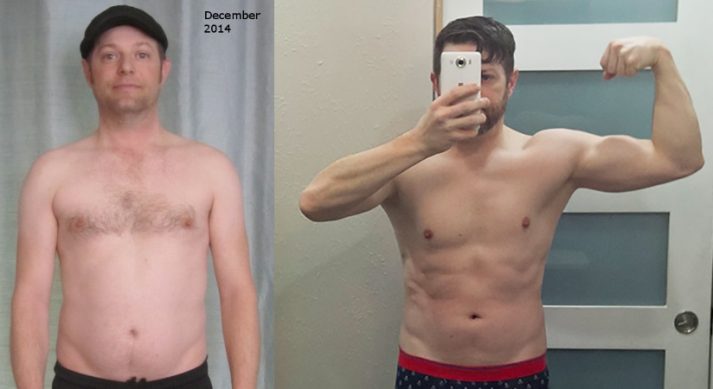
We actually have an amazing success story here on Nerd Fitness, Larry, who followed our strategies, decided to go keto and start intermittent fasting. He ended up losing weight, getting stronger, AND overcame the challenges of rheumatoid arthritis (click on the image for his story)!
Only eat during a certain window of the day. The most popular version (and the one I follow) is ‘skip breakfast’, and only consume calories between Noon and 8PM.
Occasionally do a 24 hour fast: eat dinner one night, and then don’t consume more calories until the following dinner. Some people actually do this every day, they call it OMAD (one meal per day).
Men and women are affected differently by intermittent fasting, and your results may vary.
As your body enters a fast period when there are no sources of glucose energy readily available, the liver begins the process of breaking down fat into ketones. Fasting itself can trigger ketosis.
Fasting for a period of time before kicking off a Keto-friendly eating plan COULD speed your transition into the metabolic state of ketosis, and fasting intermittently while in ketosis could help you maintain that state.
I personally love fasting for the simplicity: I skip breakfast every day and train in a fasted state. It’s one less decision I have to make, it’s one less opportunity to make a bad food choice, and it helps me reach my goals.
WHY KETO + IF works = eating Keto can be really challenging. And every time you eat, it’s an opportunity to do it wrong and accidentally eat foods that knock you out of ketosis. You’re also tempted to overeat. So, by skipping a meal, you’re eliminating one meal, one decision, one chance to screw up.
Note: if you’re thinking “Steve, am I losing weight because I’m skipping 1/3rd of my meals for the day, AND eliminating an entire macronutrient?” – Yes. Now, both Keto and IF have secondary effects that could also be factoring in.
Your value may vary!
You need to decide what works for you: If going 24 hours without eating would make it hard for you to be successful on Keto, similar results have been seen when starting the diet without a fast, so don’t worry if that’s not doable right now!
Some people find success in eating ONE big meal a day, others do 16/8 fasting, and other people eat throughout the day.
It comes down to total calories consumed, total carbs consumed, and your level of misery while adjusting!
Keto needs to work for you, not the other way around.
How to Avoid the “Keto Flu” and other negative side effects
So here’s the bad news: While ketosis is a great state for your body eventually, it can feel crappy at first.
Keto-induction, or the period where your body is entering ketosis, is a pretty big shock to the system, especially if you’ve been eating a lot of carbs. It can come with side effects that feel like the flu (fatigue, upset stomach, aching, insomnia and more), but it’s not caused by the ketosis itself.
Keto flu actually comes from carbohydrate withdrawal. That’s right; your body can basically be addicted to carbs, and have trouble dealing with a reduction in them!
It takes time for your body to become “Keto-adapted.”
Think of it this way: your body is a spoiled toddler who has been happily fueled by candy and soda for the past 3 years.
You suddenly tell the toddler: “no more soda, no more candy. You’re going to eat broccoli and grilled chicken like a big boy.”
How do you think this kid is going to respond?
Poorly. Temper tantrums, mood swings, crying, and rage at the lack of delightful sugar. Eventually, this kid will be better off in the long term as a result…but it’s gonna take some time.
This ‘carb withdrawal’ can be so dramatic for some people that it ruins them for days or weeks, and they give up.
In these instances, the love affair with Keto ends prematurely, and the person goes crawling back to the comforting, delicious, but ultimately unfulfilling carb-heavy comfort foods.
Remember that list of ‘worst’ diets with Keto at the top? It’s for reasons like this: people give up on the diet quickly, and it’s tough to stick with long term.
“STEVE, HOW CAN I AVOID THE KETO FLU?”
For MOST people, the Keto flu and getting headaches comes down to the body adjusting to becoming fat-adapted, dehydration, and electrolyte imbalances. When you eliminate carbohydrates from your diet, you might also be removing the consumption of certain electrolytes:
Sodium
Magnesium
Potassium
When you specifically try to add these electrolytes back into your diet, you’ll be able to offset some of the chemical changes in your body and compensate for the lack of those electrolytes that you used to consume as part of your old diet.
How does one do that? For sodium, you can simply add salt to your food (heyyyy sodium!), and for potassium and magnesium you can eat kale, other leafy greens, avocado, nuts.
And in BOTH instances, you can add electrolyte supplements to a bottle of water!
I have many friends who struggled through the first few weeks of Keto and found that electrolyte supplementation made the process significantly more bearable.
Which brings us to another important topic:
This momma dog and her puppies:
And THIS important topic…
Can I strength Train and Do Keto? Cardio and Keto? Crossfit and Keto?
“Steve, I’m down to try Keto. But I don’t just want to lose weight, I want to build a physique I’m proud of. Meaning I wanna look good nekked.”
We’re going to approach this section with three caveats:
I don’t care what the “optimal” way to eat or train is. Unless you are an elite level athlete, being “good enough” will suffice. This is true for your diet, for your training. The OPTIMAL way for you to train and eat is whatever method you can actually stick with!
We’ll look at what happens to your body on both cardio and strength training. In case you are interested in following this solution.
You might suck at everything for a few weeks. As pointed out in the The Ketogenic Bible: “Significant declines in physical performance after one week of following a ketogenic diet; however, performance levels are restored after about six weeks, although it sometimes takes longer.”
The jury is still out on all of this –studies have suggested that reducing carb consumption dramatically could impact performance negatively depending on the activity, and below I’ll show you studies that present the exact opposite conclusion.
#1) “Steve, I like Strength Training. What does Keto look like for me?”
Great. I do too. In fact, I train in a fasted state four days per week. When you strength train or train intensely, your body starts to use up the glycogen stored in your muscles.
And you’re probably wondering “Steve if I don’t consume carbs, which becomes sugar, which my muscles store as glycogen…am I gonna run out of glycogen and my strength training might suffer?” Good question. Maybe.
Does eating in a Keto way alter your body’s reliance on glycogen stores in the muscles? Does it change how much glycogen your muscles use or how quickly these stores are replenished? Maybe. We’re still learning.
I did find multiple studies in which strength training was either not impacted or positively impacted by a Keto Diet:
A 2012 study put 8 male gymnasts on a 30 day Keto diet – they lost more fat mass and increased lean body mass while. Suggesting Keto can help with body composition, which is probably why you are strength training to begin with.
A 2016 study looking at CrossFit programming showed no significant difference in muscle mass or performance between a Keto group and control group.
A 2017 study worked with 25 strength training men – both groups gained muscle mass, while the Keto group lost more fat.
Now, this isn’t law, and your results may vary. What this simply means is that there have been studies done that show one can do resistance training or Crossfit while eating Keto and not lose gains or muscle mass. Other studies show the opposite. Which means…
Your results MAY vary. Make sure you give it enough time to push through the Keto flu, performance-suckage phase to get a true answer for your situation.
Also: unless you’re a competitive athlete or compete in powerlifting competitions, this might not matter as much! Athletic performance is often negatively impacted once somebody gets to a low enough bodyfat percentage, but it doesn’t stop people chasing that “ripped” six-pack abs look!
#2) “Steve, I’m a runner/biker/etc. and I always carb-load. Sounds like Keto isn’t for me, right?”
Maybe not. Your body can only store 1600-2000 calories worth of glucose at any time – but might have 40,000+ calories worth of fat stored in the body. So instead of having to consistently eat gels and goos and snacks to keep the glucose levels high, what happens if you switch to “Keto-adapted” and fuel yourself with fat?
Let’s go to the science:
Earlier studies had suggested that a moderate-carb diet provides better endurance by increasing the concentration of glycogen in your muscles, but newer research seems to be swinging more in the direction of Keto.
As it turns out, the Keto diet has been tested in ultramarathoners, Iron Man trainees and endurance athletes in multiple studies, and in all cases, ketosis resulted in enhanced body composition and some of the highest rates of fat-burning ever recorded!
A 2016 study looked at 20 ultra-marathoners and Ironman distance triathletes – half of which were instructed to be on a fat-adapted diet for at least 6 months and the other 10 were on a traditional carb-focused nutritional strategy. The results:
Both groups had same perceived level of exertion during a 3 hour trial run.
The keto group had a fat oxidation rate of 2.3 times higher than the carb group, at an average of 1.5 grams per minute.
There was no significant differences in pre- or post exercise glycogen concentrations.
Just like with strength training, this MIGHT work for you – or you might better off as a carb-adapted runner and athlete. You have to do what works for you.
My above caveat still stands: unless you are an elite athlete, this should be less of a concern for you – follow the diet that makes you look and feel good, and then base your training progress of your previous day’s results!
#3) “Steve, I’m not a competition-level ANYTHING, but I like exercising and want to look good.”
While dietary changes make up at least 80% of your weight-loss efforts, exercise will help you stay healthy and build a body you’re proud to look at in the mirror.
So track your workouts, track your nutrition, and work on getting better with it – running one second faster, doing one more rep, lifting 5 more pounds, etc. Compare yourself to your past self.
#4) “Steve I read this study that says Keto + Athlete = good/bad/ugly”
Fair. Do what works best for you! In my research, and in learning from people that I trust and admire in this space:
Studies are often focused on short term ketosis (a few days or weeks), which could result in adverse performance in athletes who have not become fully Keto-adapted yet.
We are all unique snowflakes and your mileage may vary depending on your physiology. So who cares if you lift 5 pounds less! If Keto works for you and makes you look better, keep doing that.
If you are going to try Keto + Strenuous Exercise, consider the following advice: Keto might work for you! It might not!
The recommendation from Dr. Steve Phinny:
Allow 2-4 weeks to become Keto adapted
Make sure your electrolytes are in balance (see our section on supplements)
Eat enough protein to ensure your muscles are getting the tools they need to rebuild themselves.
See how your body responds – course correct as necessary.
Elite performance chaser? Consider “targeted ketogenic dieting” – introducing timed carb intake strategically around training – which is beyond the scope of this beginner guide.
Supplements and Keto – Exogenous Ketones!
You’ve read this far, learning about how our body has to work hard to create Ketones for energy.
And you’re probably thinking what I’m thinking: “What’s the airspeed velocity of an unladen swallow?” “Can’t I just ingest ketones directly?”
They refer to these as “exogenous ketones,” if you were wondering.
You weren’t, but that’s okay.
Caveat: I have not consumed exogenous ketones, though I have heard they can taste like jet fuel. And they can be pricey – though coming down in price thanks to Keto’s popularity.
So, if you LOVE to drink expensive jet fuel for some potentially better results or higher athletic performance, best of luck to ya.
This 2017 study showed “exogenous ketone drinks are a practical, efficacious way to achieve ketosis.”
In addition, A 2018 study showed that consuming Ketones lowered ghrelin [21] and thus our appetite.
I would put exogenous ketones in the “only if are aiming for strict ketosis” category, if you’re an elite athlete, or seeking a specific outcome of a medical condition under professional supervision.
If you really want to nerd out about exogenous ketones, consider this article from somebody I respect and trust, Dr. Peter Attia, on his experiences with them.
I won’t delve too much deeper on the topic until I can experiment with them myself and report back!
“What about other supplements Steve? I can’t get enough fat in my diet!”
In the previous section we discussed electrolyte supplementation, and for somebody that’s an athlete or unable to get enough protein in their system, a high quality protein powder can help – just note the carb content!
Many people struggle getting enough fat in their nutrition, and have found success fat supplementation with MCT (medium-chain triglyceride) oils and powders.
MCT oil can cause digestive challenges and make you immediately run to the bathroom, while the powder version might not cause as much of an issue. This was my experience.
Your mileage (to the bathroom) might vary! Start with small amounts of MCT before increasing the quantity.
Outside of these suggested supplements, the best “supplement” is a healthy eating plan. I know I know, a cop out answer. If you need more sodium, first try adding a little salt to your meals. If you need more potassium, eat some spinach before you head to the supplement aisle at the grocery store.
Not only will these methods help you feel better, but you’ll be setting yourself up for better long-term eating habits.
Our overall stance on supplementation here at Nerd Fitness: supplements cannot replace the effects of a healthy diet and regular exercise. But for some people, these might be the right fit.
Home stretch! Now we just have delicious food and fun stuff to discuss. Yayyyyy!
Keto Meal Plans and Keto Recipes For the Wins!
“Steve I know I can eat things like meat, cheese, and vegetables, but I’m gonna go ahead and need you to do the heavy lifting for me. Give me a sample day on Keto and links to recipes.”
I considered saying “Let me google that for you” when it comes to “keto recipes”, but I’m too nice of a guy.
CONDIMENTS: Ruled.Me has some great resources on what keto condiments you can use to spice up your dishes without losing ketosis. Here’s a quick list:
Coconut Oil
Olive Oil
Heavy whipping creme
Full fat cream cheese
Full-fat sour cream
Mayonaise
Mustard
Full fat Ranch, Caesar, Bleu, Cheese, Italian
Depending on your macros, you might be adding butter, ghee, fatty dressings or oils, or supplementing with MCT/Coconut oil to hit your macros for the day.
This should at least get you started in thinking that you can still eat AMAZING food while eating Keto.
What are Keto Friendly Snacks and Keto Desserts?
Everybody loves snacks. Unfortunately, most of the snacks you’ll encounter anywhere are definitely not Keto-friendly.
I’m firmly on Team No Snack, as I do practice intermittent fasting and try to eat BIG meals instead of lots of small ones – as I point out in the Intermittent Fasting article, the number of times you eat throughout the day won’t impact your waistline as much as the total quantity of calories.
That’s right, your metabolism isn’t “stoked” by eating small meals or grazing throughout the day. You can get in trouble if you eat big meals and then eat snacks between those big meals.
What matters is overall compliance – if snacking in between meals allows you to NOT overeat during your big meals, and ALSO you stay under your caloric intake goal for the day, then snacking is more than okay.
As far as dessert goes, the same holds true: if you save room in your macros and calories for a low calorie, Keto-compliant dessert, go crazy. Just don’t delude yourself into thinking that eating 5,000 calories of “Keto cookies” and “Keto ice cream” is going to make you healthier.
Got it? These snacks and desserts need to fit into your macros/calorie goals in order for this whole “I went Keto” thing to actually work for you.
EASY KETO SNACK IDEAS. In addition to this entire subreddit about Keto Snacks, you can think in these terms:
You’re gonna need to be super diligent with your carb counting when it comes to your adult beverage choices.
A Sam Adams has almost 20g of carbs, enough to knock somebody out of ketosis after just one. As a Bostonian, this makes me sad.
This is even worse for mixed drinks! No more rum and Cokes. No more margaritas. No more old fashioneds with simple syrup. No more daiquiris or mai tais or piña coladas.
Instead, you need to do your research into the carb content and calorie count of your favorite alcoholic drinks:
If you’re drinking spirits, mix with club soda (NOT tonic, which is loaded with sugar) or learn to drink neat.
If you’re drinking beers, opt for the low-carb variety! Just Google the beer brand you’re considering and go from there.
Just like with desserts and snacks, you need to make alcohol work for your macros and your calorie counts for the day.
Other things to note about alcohol: you might get drunk much faster as a result of being in Ketosis, you might have a worse hangover, and you might wake up in a chicken costume covered in sriracha on the other side of town if you drink too many “Keto friendly” whiskeys.
Not that I would know. Shut up.
Where can I Learn More About the Keto Diet?
Phew. This article was focused on telling you everything you need to know so that you can confidently get started with Keto.
I want to give a HUGE shout out to the book, The Ketogenic Bible, by Dr. Jacob Wilson and Ryan Lowery, which was my first stop in my Keto research.
If you’re a super nerd and want to learn about all of the science behind this stuff, or if you’re intrigued by the research into Keto + certain health conditions or improvements, it’s absolutely worth a read.
If you’re interested in going further with your Keto adventure, consider all of the following below!
OUR COACHING AND COURSES:
Pardon my shameless self-promotion, but we have helped a few hundred thousand people through Nerd Fitness over the past decade, and we have some key resources that can help people adapt or adopt a more Keto-friendly lifestyle:
1-on-1 Coaching with Nerd Fitness: partner with one of our trained coaches who will build you a custom workout program, and help you make better nutritional choices. We’ll have you take photos of each meal you consume, guide your decisions, and help you hit longer term goals. Our average client stays 9-10 months!
The Nerd Fitness Academy: Learn the right mindset, be surrounded by a supportive online community, follow the workout programs, complete boss battles and quests, and level up your character as you level up your life. Although this isn’t a keto-focused course, we have a TON of Academy members doing Keto who would love to support you.
KETO RECIPE RESOURCES – In addition to simply googling “keto recipes” which I know you can do because you’re a big boy or big girl, here are three of my favorite resources:
PODCASTS ABOUT KETO: If you love to listen instead of read, I’m doubly proud of you for making it all this way. Here are three of my favorite podcast episodes on the subject, in order of complexity. The science versus is the most approachable:
Your First Week on the Keto Diet – Start With This
Okay, you’re here because you’ve committed to going Keto, and now there’s just one final step: actually doing it.
So how do you get started? What’s next for you between reading this article and 30 days of Keto success? A plan!
Fear not, for I have built a step-by-step plan for you right here:
#1) Take before photos and measurements. Take front and profile photos of yourself. You don’t need to look at them or share them anywhere, but I PROMISE you’re going to want those. You can also write down your weight and take any measurements you want.
Write this stuff down and keep it secret, keep it safe.
#2) Calculate your calories and macros. You can do the math as I explained above, or simply use the calculator over on Ruled.Me. Know your number of goal:
Calories
Carbs
Fat
Protein
#3) Go shopping for your Keto foods, and order your Keto snacks on Amazon. Look at the recipes above and pick the ones that don’t scare you to make. Keep snacks readily available in case of “holy crap I am so hungry and I just want to eat a damn pizza and spaghetti and snort Pixy Stix.”
#4) Consider picking up an electrolyte supplement to help you through the first few days/weeks of grogginess/lethargy as you move through the Keto flu stage. You can also look into the urine test strips or blood testers – I find that knowing I’m in ketosis, it helps keep me accountable and motivated that all these changes are actually working!
#5) Eat out frequently and enjoy fast food? Google your “(fast food restaurant of choice) + keto” so you have a go-to option even when you’re on the road.
#6) Tell somebody. The biggest problem with Keto is simply sticking with it. If you have roommates or a significant other or friends you can speak to and get them on your team to support you. In fact, send them this article and recruit them to try it with you! That way they’re not enabling you to slip up, they’re keeping you accountable!
Don’t have anybody to tell? Our NF Academy has the most supportive community on the internet.
7) Consider kickstarting your week with a fast. This is going to be a mental and physiological challenge. Consider skipping breakfast tomorrow – it’s one less meal you have to prepare, one less chance to knock yourself out of ketosis, and can help kickstart the keto-adapted phase!
8) Throughout the week: Focus on big wins, allow yourself to be miserable – Keto flu is REAL, giving up carbs is hard, and your body is going to hate you:
Drink plenty of water and supplement with electrolytes if you find yourself getting headaches. Add more salt to your food and focus on consuming more leafy greens to get that electrolyte balance back in place.
Lean on your support group. Talk to others who have been where you are, ask questions, share your struggles!
Eat snacks when you are miserable. I’d rather you eat some snacks and slightly overeat on your calories than be so miserable that you give up.
Track your adherence. Use MyFitnessPal (though not their recommended macronutrient breakdown!) to track every meal you eat – this is very important in the first week as you’re educating yourself dramatically.
Do your best – you might slip up with one meal or realize you accidentally ate carbs. This is not the end of the world. Forgive yourself, learn the lesson, and get right back at it with the next meal.
9) Keep going, or adjust. Depending on your body, your environment, the way you used to eat, and your physiology, this first week will either be “hey, not too bad” or “Never again.”
Either way, you’ll learn something. I do hope you push through this for a full 30 days and see how your body responds once it’s out of the Keto Flu stage!
10) At the end of the month, take more photos and measurements and compare them your starting “before” stats. Do you feel better? Do you look better? Did you enjoy the process? great! Keep going. Hated it? Great! You found a method that doesn’t work for you. Adjust and create your own strategy.
Other Frequently Asked Questions about The Keto Diet.
1) Who should NOT attempt the Keto Diet?
Very important question. We all know this article is NOT medical advice, and regardless of your health you should discuss your nutritional strategies with your doctor or dietitian.
As pointed out in The Ketogenic Bible, going into Ketosis is not recommended for:
Carnitine deficiency
CPT I/II deficiency
Beta oxidation defects
Impaired gastrointestinal motility
Pregnancy
Kidney failure
Type 1 Diabetes
Pancreatitis
Gallbladder disease
Impaired liver function
Impaired fat digestion
Gastric bypass surgery
Abdominal tumors
If you’re concerned about your health with regards to Keto, speak with your doctor and consider a Keto Diet under supervision.
2) Do I have to count calories on Keto?
Not necessarily, but it certainly helps when starting out. That is true whether you’re doing Keto or just trying to eat healthier. In fact, I would almost make it a requirement until you learn the basics about everything you eat.
The most important thing you’ll need to track is your carb and fiber intake. You’re trying to eat less than 20-50 grams of net carbs each day, and making your diet 70% fat. Not all calories are created equal when it comes to healthy eating and weight loss, so they’re not a focus on Keto.
3) Eating all of this fat and cholesterol is going to make me fat and block my arteries, right?
Wrong! Dietary cholesterol has been shown to not increase blood cholesterol – check this article here. And fat is healthy when consumed as part of a nutritious meal. As pointed out in this study, a Low Carbohydrate Diet resulted in decreased bodyweight, abdominal circumference, diastolic blood pressure, triglycerides, insulin, and an increase in high-density lipoprotein cholesterol (the good stuff).
It’s when fat is combined with carbohydrates in diabolical combinations that we start to get into trouble.
4) I’ve heard my breath and my urine might smell funny on keto. Is that true? What do I do about it?
Look, we don’t want you to be self-conscious about how your pee smells. But it’s true; as part of the byproducts produced through the creation of ketone bodies, you may notice a fruity smell in your urine and on your breath.
This is totally normal, and it comes from the acetone that’s produced through ketosis. Acetone isn’t used for energy, so it’s excreted in urine and breath.
Not only is this not bad, it’s a sign that you are fully in a ketogenic state.
But you probably don’t want your breath to smell like a slightly weird fruit salad, right? The easiest answer is to brush your teeth often, and to wait it out. This effect usually goes away once you’re on the diet for a while as your body learns to use more ketones.
5) Can I eat keto if I’m a vegetarian/vegan?
Yes. We mentioned above in our list of foods to eat that you can substitute meatless proteins for meat in a vegetarian keto diet.
If you also want to remove the dairy and eggs to make a vegan keto plan, in addition to the vegan meat options, consider adding mushrooms and “vegan dairy,” such as full-fat vegan cheeses, as well as a larger quantity of healthy fats like coconut oil.
You can follow the low-carb principles of keto along with your vegetarian or vegan eating plan.
6) Does this mean no carbs forever and ever? How long am I supposed to go Keto for?
You will get results from Keto for as long as you stay Keto. If you go Keto and lose a bunch of weight, but then go back to how you were eating before…you’ll end up right back where you started.
So, our advice would be to give this a true attempt: stick with Keto for 30 days as an experiment. You might find that you LOVE how it makes you feel and want to stick with it.
Also, as your body learns to become keto-adapted, you can start to mix in sliiiightly higher carb days here and there with minimal adverse effects.
If you go Keto and decide that this is not the best strategy for you, that’s cool too. Pick the parts of it that work for you, take what you’ve learned, and start to experiment and build your own diet.
What else do you want to know about keto?
If you’ve read this far, congratulations! You get the Medal of Heroes, and you definitely know enough to get started on the keto diet.
You’ve unlocked this gif of a turtle eating a raspberry:
The Keto Diet will work for you….If you can stick with it.
Here’s my nerdy advice:
Be less concerned about “staying in ketosis” and instead concern yourself with how to make the Keto Diet work for you on a consistent basis.
Try it out for 30 days.Take measurements and before and after photos, and then determine after 30 days if it works for you. And if it does or doesn’t, adjust and course correct.
The worst thing to do would be to go Keto for 30 days to try to lose weight quickly, just to go back to how you were eating before.
Instead, we want you to make permanent progress. So find a path that allows you to be pretty damn good, nearly all of the time.
Whether or not Keto is for you, keep looking around here at Nerd Fitness. Maybe Paleo or Intermittent Fasting is a better fit for you, or you’d prefer to work with a coach to help combine all of the above into a system that fits your exact lifestyle.
Whatever it is, I’m glad you’re here. And I’m glad you’re trying.
WHAT OTHER QUESTIONS DO YOU HAVE?
What other questions do you have about Keto?
Have you had a great experience with Keto?
Have you had a BAD experience with Keto?
Favorite snacks or resources?
Leave your experiences in the comments below!
-Steve
PS: If you liked this guide to keto but need more guidance, check out our 1-on-1 coaching program and schedule a free consultation to see if we’re a good fit for each other!
PPS: I guarantee I probably pissed off half the internet for some reason with this article.
Whether it was a typo, the fact that I referenced a particular study that didn’t line up with your already deeply-held view on Keto, or because you you don’t like my jokes. I hope we’re still cool.
If you want to rage and call me an idiot for whatever reason, email me at thatsnotnice@jkdontemailme.biz
###
ALL Photos Sources can be found in this footnote here[22]. Special shout outs to Clement127 and Black Zack who have two amazing streams you should check out!


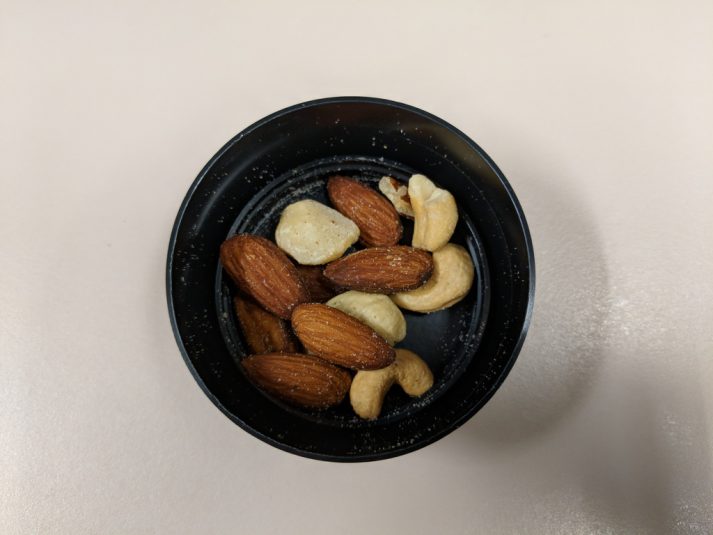


 If you don’t care what ketones are and are just here for the weightloss stuff, skip to the next section. If you do care about ketones, strap in and let’s get weird.